

Books by Heidi Lynn Nilsson
For the Fire from the Straw • Barrow Street Press • 2017
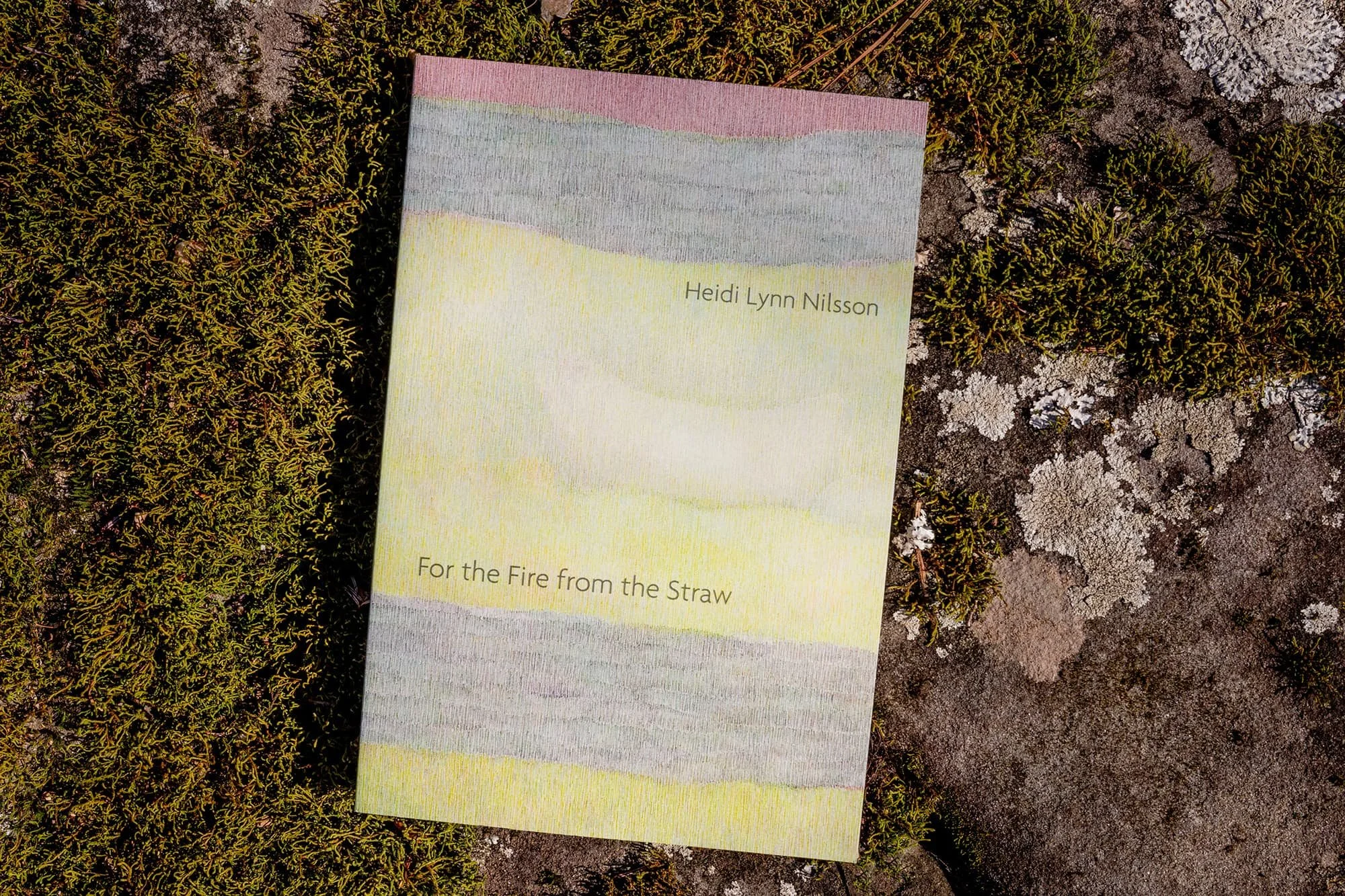
For the Fire from the Straw is the second poetry collection by Heidi Lynn Nilsson and her first full-length collection, published by Barrow Street Press in 2017. Known for its intense exploration of the divine and doubt through themes of violence, lust, and love, often with a hunger for spirituality and a blend of intellect and physicality. Nilsson’s poems are praised for their lyrical beauty, complex language, and spiritual searching, often compared to the work of Emily Dickinson or Gerard Manley Hopkins.
For bulk orders, please visit Barrow Street Press.
“In Straw for the Fire, Theodore Roethke writes that ‘straw can feed a fire to melt down stone.’ The poems in Heidi Lynn Nilsson’s For the Fire from the Straw burn with this kind of metamorphic heat. They rove—ruthlessly, metaphysically, beautifully— through the realms of doubt, belief, marriage, motherhood, injustice, and transgression without ever once using their brilliance against the reader or resorting to oversimplified piety.”
—Lisa Russ Spaar, Area Program in Poetry Writing / UVA
The Math of Gifts• Slapering Hol Press • 2016
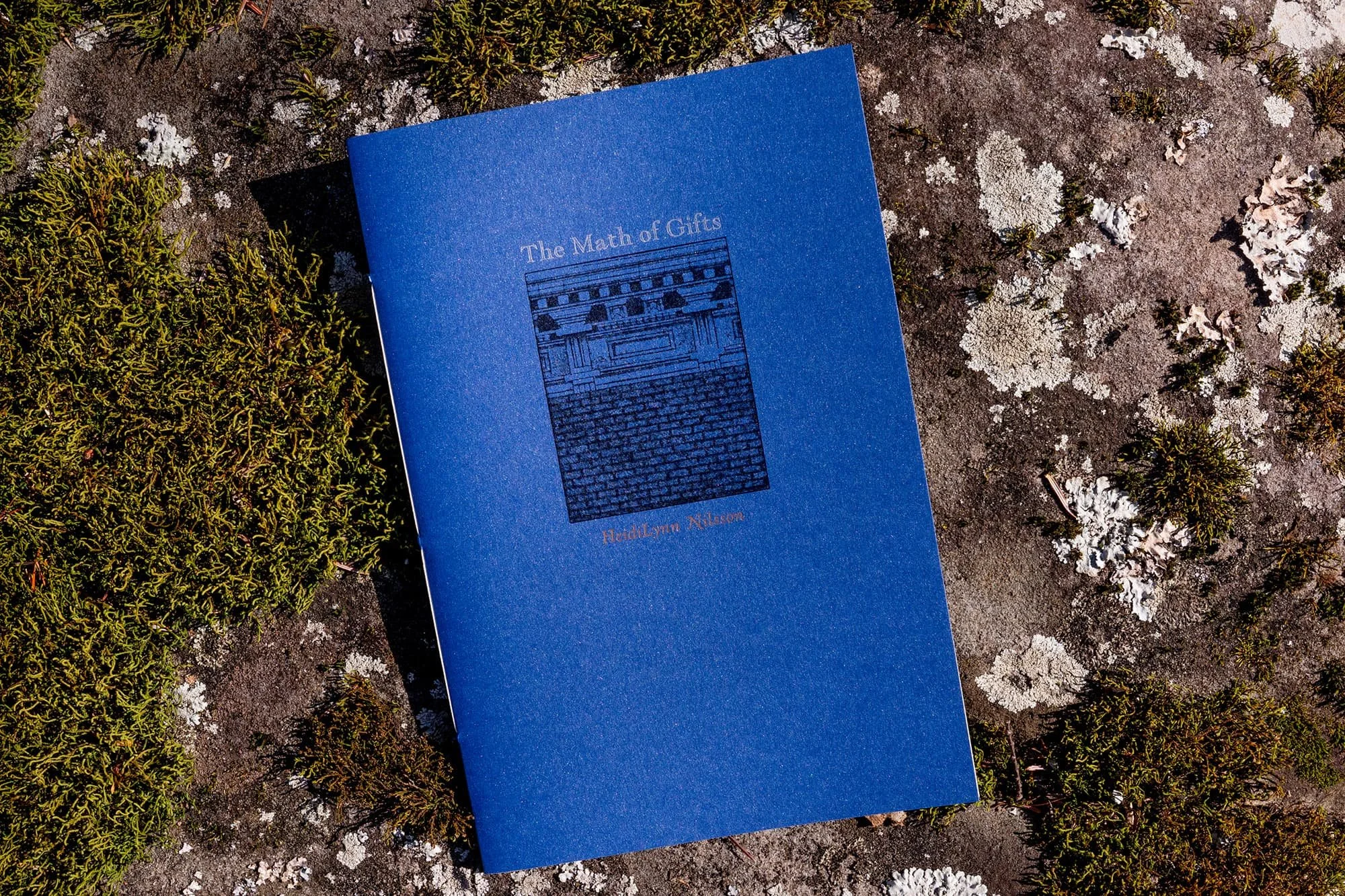
The Math of Gifts is the first poetry collection by Heidi Lynn Nilsson, published by Slapering Hol Press in 2016. The Math of Gifts won the Singer-Sargent Award from the Hudson Valley Writers Center and was published by Slapering Hol Press. Poems from this collection have also appeared in several literary publications, including Ploughshares, TriQuarterly, and AGNI.